Greatest film scary face is not only a fleeting second; it is a fastidiously constructed component that has haunted our screens because the daybreak of cinema. From the flickering shadows of silent movies to the high-definition horrors of as we speak, the evolution of the terrifying visage is a testomony to the facility of visible storytelling. We’re not simply speaking about bounce scares; we’re diving deep into the artwork of crafting concern, exploring the strategies that make us shiver, scream, after which, inevitably, come again for extra.
This journey will uncover the secrets and techniques behind these unforgettable expressions, inspecting how filmmakers manipulate each facet of the body—make-up, lighting, digital camera angles, and sound—to faucet into our deepest primal fears. We’ll dissect the psychological underpinnings of why sure faces set off such visceral reactions, and discover how cultural nuances form our perceptions of cinematic terror. Put together to delve into the historical past, the artistry, and the lasting influence of one of the best film scary face.
Analyzing the Psychological Impression of Fearful Visages on Viewers reveals the facility of visible storytelling.
The portrayal of concern on the human face is a cornerstone of efficient visible storytelling, significantly in cinema. It is a common language, transcending cultural boundaries and tapping into primal instincts. Understanding the psychological underpinnings of why sure expressions set off concern, and the way filmmakers masterfully manipulate visible parts to amplify this impact, is essential to appreciating the profound influence of horror movies and thrillers.
This evaluation explores the core psychological mechanisms at play, the cinematic strategies employed, and the nuanced cultural variations that form our reactions to the “scary face.”
Psychological Ideas Behind Fearful Facial Expressions
The human mind is wired to acknowledge and react to threats, and facial expressions are a major channel for conveying hazard. This innate response is rooted in evolutionary biology, the place the flexibility to rapidly establish and reply to perceived threats was essential for survival.
The search for the “finest film scary face” typically leads down sudden paths, very like the journey of Hercules himself. Whereas the right scream may elude us, the epic battles and gritty realism of best hercules the thracian wars movie supply a distinct form of depth, a visible drama that may be simply as unsettling. In the end, the influence of a very scary face in movie stays the enduring objective.
- Evolutionary Origins: Our sensitivity to fear-inducing faces is a product of pure choice. People who might rapidly acknowledge and react to indicators of hazard, corresponding to a snarling expression or widened eyes, have been extra prone to survive and move on their genes. This has resulted in a hardwired system for risk detection.
- Amygdala’s Position: The amygdala, a key construction within the mind, performs a central position in processing feelings, significantly concern. After we understand a fearful face, the amygdala is activated, triggering the “fight-or-flight” response. This could result in elevated coronary heart price, fast respiratory, and heightened alertness.
- Common Expressions: Whereas cultural nuances exist, some facial expressions related to concern are universally acknowledged. Charles Darwin’s analysis on feelings demonstrated that expressions like large eyes, raised eyebrows, and a retracted mouth are constant throughout numerous cultures, suggesting a organic foundation.
- Innate Responses: Infants, even earlier than studying to talk, exhibit an aversion to expressions of concern and anger. This implies that the flexibility to acknowledge and reply to those expressions is innate, not realized. This innate understanding offers a basis for the way we understand and react to fearful faces.
Filmmaking Strategies to Amplify the Impression of Scary Faces
Filmmakers make use of quite a lot of strategies to control viewers’ emotional responses to fearful faces, leveraging the inherent psychological sensitivity to risk.
- Lighting: The usage of shadows and low-key lighting can dramatically alter the notion of a face. Highlighting sure options, just like the eyes or mouth, can emphasize expressions of concern and create a way of unease. As an illustration, in lots of horror movies, a personality’s face is perhaps partially obscured in shadow, revealing solely a menacing grin or a terrified gaze, maximizing the suspense.
- Digital camera Angles: Digital camera angles play a big position in how we understand a face. Shut-ups can intensify the emotional influence of a fearful expression, whereas low-angle photographs could make a personality seem extra threatening. A Dutch angle (tilting the digital camera) can create a way of disorientation and unease, amplifying the concern response.
- Enhancing: The modifying course of is essential for constructing pressure and suspense. Fast cuts between a fearful face and a possible risk can heighten the emotional influence. Sluggish-motion sequences can draw out a second of concern, permitting the viewer to completely take up the expression and the upcoming hazard.
- Sound Design: Whereas not a visible component, sound design is a vital element of amplifying the influence of a fearful face. Sudden, jarring noises, or a suspenseful musical rating, can heighten the emotional response to a fearful expression on display screen. Sound and visuals work in tandem to create a complete expertise.
- Make-up and Particular Results: Make-up and particular results can dramatically alter a face, making it seem extra threatening or grotesque. Distorted options, exaggerated expressions, and the addition of blood or wounds can amplify the sense of concern and revulsion.
Cultural Nuances in Perceiving “Scary Faces”
Whereas some facial expressions of concern are universally acknowledged, cultural components can affect how they’re interpreted and the depth of the emotional response. Societal norms, values, and experiences form our understanding of what constitutes a risk.
- Cultural Variations in Expression: Totally different cultures could have various norms for displaying and decoding feelings. In some cultures, outward shows of emotion are inspired, whereas in others, they’re suppressed. This could have an effect on how viewers understand and react to fearful faces on display screen.
- Societal Influences: Societal components, corresponding to historic occasions, political climates, and spiritual beliefs, can form our perceptions of concern. For instance, a movie that includes a face that evokes recollections of previous trauma or oppression could elicit a stronger emotional response in a selected cultural context.
- Stereotypes and Archetypes: Movies typically depend on cultural stereotypes and archetypes to create concern. The portrayal of sure ethnic teams or social lessons as inherently threatening can affect how viewers react to particular facial expressions. This generally is a highly effective device, nevertheless it additionally carries the potential for perpetuating dangerous biases.
- Contextual Interpretation: The context by which a fearful face seems is essential for understanding its which means. The narrative, the character’s motivations, and the encompassing atmosphere all contribute to how viewers interpret the expression and the related risk.
Evaluating and Contrasting Totally different Approaches to Creating Horrifying Faces provides a novel perspective.
The artwork of horror filmmaking hinges on the flexibility to evoke concern, and a vital component in reaching that is the creation of a very terrifying face. This exploration delves into the contrasting strategies employed to craft these visages, from the tactile realism of sensible results to the boundless prospects of computer-generated imagery (CGI), and examines how these strategies are tailor-made to swimsuit the precise calls for of various horror subgenres.
Understanding these approaches offers a deeper appreciation for the artistry and technical talent concerned in scaring audiences.
Sensible Results vs. CGI: A Comparative Evaluation
The controversy between sensible results and CGI in horror is ongoing, every technique possessing distinct benefits and drawbacks. The selection typically displays a director’s aesthetic choice, funds constraints, and the precise calls for of the story.
- Sensible Results (Make-up, Prosthetics): This strategy depends on bodily strategies, involving make-up, prosthetics, and animatronics to create the scary face in actual time. The tangible nature of sensible results can present a visceral influence that resonates deeply with viewers.
- Strengths: Sensible results typically look extra real looking and plausible, particularly in close-ups, as a result of they’re grounded within the bodily world. They provide a way of weight and presence that may be troublesome to duplicate with CGI. The on-set expertise for actors will also be extra immersive, resulting in extra genuine performances. For instance, the grotesque make-up used within the
-Hellraiser* movies created a long-lasting impression as a consequence of its tactile high quality, producing a palpable sense of dread.The craftsmanship concerned can also be extremely revered, and the ensuing visuals typically age higher than CGI.
- Weaknesses: Sensible results could be time-consuming and costly to provide, requiring expert artists and specialised tools. They will also be restricted by bodily constraints, making it troublesome to realize sure complicated or fantastical designs. Moreover, the consequences can typically look unconvincing if not executed flawlessly, probably breaking the phantasm and undermining the scare.
- CGI (Laptop-Generated Imagery): CGI makes use of laptop software program to create or improve the scary face digitally. This technique provides unparalleled flexibility and the flexibility to realize results that may be not possible or impractical with sensible strategies.
- Strengths: CGI permits for the creation of fantastical creatures and transformations, in addition to the flexibility to control facial expressions and actions with precision. It will also be cheaper in some instances, significantly for large-scale results. CGI provides larger management over the ultimate look, enabling administrators to refine and regulate the face all through the post-production course of. The digitally rendered face of the creature in
-The Babadook* demonstrates how CGI can successfully convey each terror and a way of otherworldliness. - Weaknesses: CGI can typically look synthetic or unconvincing, particularly if the rendering high quality is poor or the mixing with live-action footage will not be seamless. The expertise will also be costly, requiring specialised software program and expert artists. The reliance on CGI can typically result in an absence of tangible presence, probably diminishing the visceral influence of the scare. Moreover, CGI results can rapidly change into dated as expertise advances, probably rendering them much less efficient over time.
Contrasting Aesthetics Throughout Horror Subgenres
The “scary face” will not be a one-size-fits-all idea. The aesthetic decisions used to create these faces differ considerably throughout totally different horror subgenres, reflecting the distinctive thematic issues and narrative conventions of every.
- Slasher Movies: Slasher movies typically characteristic masked killers or bodily imposing figures with distorted, typically weapon-wielding, faces. The emphasis is on bodily risk and brutal violence. The objective is to elicit concern by shock and suspense.
- Instance: Michael Myers from
-Halloween*. His clean, impassive masks is a logo of pure, unadulterated evil, making him a terrifying determine. - Psychological Thrillers: Psychological thrillers discover the complexities of the human psyche, typically specializing in psychological instability, paranoia, and inside battle. The scary faces on this style are sometimes extra refined and nuanced, reflecting psychological torment.
- Instance: The unsettling facial expressions and unsettling close-ups of the characters in
-The Babadook* spotlight the emotional and psychological misery they endure. - Supernatural Horror: Supernatural horror offers with ghosts, demons, and different otherworldly entities. The scary faces on this style typically incorporate supernatural parts, corresponding to decaying options, unnatural contortions, or demonic expressions.
- Instance: The make-up and prosthetics used to create the demonic faces in
-The Exorcist* are designed to shock and terrify by their grotesque look.
Contrasting Examples: A Blockquote of Terrifying Visages
Instance 1: The Xenomorph from
-Alien* (1979)Visible Model: The Xenomorph’s design, a mixture of H.R. Giger’s biomechanical aesthetic and sensible results, includes a modern, elongated cranium, sharp enamel, and a phallic head. The creature’s actions are deliberate and unsettling.
Emotion Elicited: The Xenomorph’s design evokes primal concern, disgust, and a way of the unknown. Its modern, but alien kind conjures up a concern of the unfamiliar and the monstrous. The Xenomorph is a logo of predation and an ideal killing machine.
Instance 2: Pennywise from
-It* (2017)Visible Model: Pennywise, portrayed by Invoice Skarsgård, has a pale face, exaggerated options, and a large, unsettling smile. The make-up design emphasizes his clown-like look, which is then twisted to be disturbing and monstrous.
Emotion Elicited: Pennywise’s design evokes a concern of clowns, childhood innocence, and the hidden darkness that lurks beneath a well-recognized facade. His unsettling smile and erratic habits create a way of unease and dread.
Instance 3: Pazuzu from
-The Exorcist* (1973)Visible Model: The demonic Pazuzu, primarily depicted by Linda Blair’s possessed face, options distorted facial expressions, decaying options, and unnatural contortions. The make-up and visible results are designed to be stunning and grotesque.
Emotion Elicited: Pazuzu’s design evokes a concern of demonic possession, the corruption of innocence, and the battle between good and evil. The grotesque look is meant to encourage a way of revulsion and dread.
Analyzing the Position of Sound and Music in Amplifying the Impact of a Horrifying Face is crucial for crafting a very terrifying expertise.

The auditory panorama of a horror movie is as essential because the visible, and the interaction between sound and a daunting face can dramatically elevate the concern issue. Sound design, encompassing all the things from refined ambient noises to jarring sound results, works in tandem with the visible presentation to create a way of unease, suspense, and outright terror. Equally, the musical rating acts as an emotional amplifier, guiding the viewer’s expertise and shaping their response to the on-screen terror.
The skillful integration of sound and music permits filmmakers to control the viewers’s notion and maximize the influence of a scary face.
Sound Design’s Contribution to Rigidity and Suspense
Sound design in horror movies meticulously crafts the auditory atmosphere, utilizing particular sound results and ambient noise to intensify pressure and suspense. The absence of sound could be as impactful as its presence, creating moments of dread earlier than a bounce scare or a reveal. Sounds are fastidiously chosen and layered to create a way of realism or surrealism, relying on the movie’s aesthetic targets.
The objective is to have interaction the viewers’s auditory senses to make the viewing expertise extra immersive and unsettling.Sound results are steadily used to foreshadow impending hazard or to intensify the shock worth of a daunting face. For instance, the creaking of a door, the rustling of leaves, or the drip of water can all serve to create a way of anticipation and dread earlier than a scary face is revealed.
Ambient noise, corresponding to wind, rain, or distant screams, provides to the environment and might subtly affect the viewer’s emotional state. These refined audio cues are designed to set off the fight-or-flight response, making the expertise extra visceral and memorable.
Musical Scores and Emotional Intensification
Musical scores in horror movies are crafted to underscore and intensify the feelings conveyed by a scary face. Music can create a sense of suspense, concern, or dread. The rating isn’t just background noise; it’s an lively participant within the storytelling course of. Composers typically use particular musical strategies to control the viewers’s emotional response, timing crescendos and decrescendos to coincide with the on-screen motion.The music can work along with the visible parts to emphasise the influence of a daunting face.
The music builds anticipation earlier than a scare, heightening the strain. When a scary face seems, the music can abruptly shift, turning into extra intense and dissonant to shock the viewers. When a personality reacts in concern, the music can mirror their emotion.
Musical Strategies for Amplifying Concern
Musical composition employs varied strategies to amplify the scariness of a face. These strategies manipulate the listener’s feelings and create a way of unease.
The chilling faces in horror movies typically go away a long-lasting impression, however typically a superb film night time is finest loved at a cushty cinema. In case you’re in Colchester and on the lookout for a top-notch expertise, take a look at the best odeon colchester colchester uk for the final word viewing pleasure, earlier than returning to the terrifyingly good “finest film scary face” contenders.
-
Dissonance: This method entails utilizing notes and chords that conflict with one another, creating a way of unease and instability.
Instance: In
-Psycho* (1960), Bernard Herrmann’s rating makes use of jarring string stabs through the bathe scene, intensifying the violence and concern related to Norman Bates’s face. -
Tremolo: This entails quickly repeating a notice or chord, making a trembling impact that may construct pressure and anxiousness.
Instance: The usage of tremolo strings within the rating of
-The Shining* (1980) throughout scenes that includes Jack Torrance’s more and more menacing expressions amplifies the sense of dread and psychological breakdown. -
Excessive-Pitched Sounds: Excessive-pitched notes and sounds are sometimes related to concern and alarm, activating the amygdala, the mind’s concern middle.
Instance: The usage of high-pitched string devices within the rating of
-It Follows* (2014) heightens the sense of impending doom and the specter of the shapeshifting entity. -
Sluggish Tempo: A sluggish tempo can create a sense of suspense and dread, as if one thing horrible is about to occur.
Instance: The sluggish, deliberate piano rating in
-The Babadook* (2014) builds suspense through the appearances of the titular creature. -
Use of Silence: Silence could be as efficient as sound, making a second of anticipation earlier than a scare.
Instance: The quiet moments earlier than the jumpscares in
-Hereditary* (2018), particularly when Annie’s face expresses intense feelings, use silence to create a sense of unease and dread. -
Sudden Loud Noises (Jumpscares): Sudden loud sounds are used to create jumpscares, making a shock response within the viewers.
Instance: In
-Insidious* (2010), sudden loud sounds accompany the looks of the assorted entities, creating a robust shock response.
Investigating the Affect of “Scary Faces” on Subsequent Horror Movies uncovers lasting legacies.
The horror style thrives on innovation, however its evolution can also be deeply rooted prior to now. Iconic “scary faces” will not be simply fleeting moments of terror; they’re blueprints which have formed the aesthetic and thematic panorama of numerous movies. These visages, meticulously crafted, go away an indelible mark on viewers, influencing future creators and solidifying their place in common tradition.
Their influence extends far past the silver display screen, permeating varied types of media and provoking a worldwide neighborhood of followers.
Figuring out Tendencies and Influences of Scary Faces
Sure “scary faces” have change into benchmarks, setting tendencies in character design and efficiency. These faces, by their distinctive options and unsettling expressions, have paved the best way for related characters in subsequent movies, influencing their visible language and narrative operate.
- The Form (Michael Myers,
-Halloween*): The clean, impassive masks worn by Michael Myers is a masterclass in minimalist horror. It embodies pure, unadulterated evil.- Impression: The Form’s masks impressed numerous imitations, significantly in slasher movies. The main focus shifted from the actor’s face to the general visible presentation, together with the costume and physique language.
- Pattern: This pattern popularized the idea of an nameless, seemingly indestructible killer, making the unknown a supply of dread.
- Freddy Krueger (*A Nightmare on Elm Avenue*): Freddy’s burned face, full with razor-sharp claws, is a potent image of nightmare gasoline.
- Impression: Freddy’s design, combining a grotesque look with a sardonic wit, influenced the creation of horror villains who have been each terrifying and darkly humorous.
- Pattern: The character popularized the thought of a villain who might manipulate the dream world, including a layer of psychological horror.
- Pennywise the Dancing Clown (*It*): Pennywise’s clown face, with its exaggerated options and unsettling grin, preys on childhood fears.
- Impression: Pennywise revitalized the concern of clowns, a trope that had existed earlier than however gained new prominence.
- Pattern: The character’s design highlighted the potential for innocence to be corrupted and used to create concern, inspiring numerous related characters in subsequent movies.
The Integration of Scary Faces into Collective Cultural Consciousness
Iconic scary faces transcend their cinematic origins, turning into integral components of our collective cultural consciousness. They spark creativity and dialog, inspiring varied types of expression. Their recognition issue is immense, making them immediately recognizable symbols of horror.
- Memes: Photos and scenes that includes iconic scary faces are steadily repurposed into memes, typically with humorous or ironic contexts. These memes contribute to the continued cultural dialog in regards to the movies and characters.
- Fan Artwork: Artists worldwide create fan artwork impressed by these characters, from detailed portraits to stylized interpretations. This fan artwork serves as a testomony to the characters’ lasting influence and affect.
- Cosplay: Horror followers steadily cosplay as these iconic characters, bringing them to life at conventions and occasions. This type of expression additional solidifies the characters’ presence in common tradition.
Adaptation and Reinterpretation Throughout Media Codecs
The idea of the “scary face” will not be confined to movie. It has been efficiently tailored and reinterpreted throughout totally different media codecs, making certain that these characters stay related and proceed to terrify new audiences.
- Tv: Many tv sequence, significantly anthology reveals and horror dramas, characteristic characters impressed by iconic scary faces.
- Video Video games: Horror video video games typically incorporate character designs that draw inspiration from traditional horror villains. These video games enable gamers to expertise the phobia firsthand.
- Comedian Books: Comedian books and graphic novels recurrently characteristic characters with designs harking back to iconic scary faces, additional increasing their attain.
Evaluating the Performing Strategies Used to Painting Fearful Expressions offers precious insights into the craft.
The artwork of portraying concern on display screen is a fancy interaction of bodily and emotional strategies. Actors delve deep into the psychological state of terror, using a variety of strategies to convey this primal emotion by their facial expressions. This evaluation explores the core performing strategies, offering concrete examples of actors who’ve mastered this craft and providing an in depth breakdown of the facial expressions that outline concern in cinema.
Delving into Technique Performing and Strategies
Actors make use of quite a lot of strategies to convincingly painting concern. Technique performing, specifically, encourages actors to attract upon their very own previous experiences and feelings to embody a personality’s inside state. This could contain recalling traumatic recollections or simulating bodily sensations to set off the specified emotional response. Actors may isolate themselves, deprive themselves of sleep, or immerse themselves in nerve-racking conditions to realize a heightened state of vulnerability and anxiousness, which then interprets into genuine expressions of concern.
The “finest film scary face” is a subjective judgment, however the influence is simple. Many actors have mastered the artwork of conveying terror, and exploring the filmography of younger skills like Noah Jupe, identified for his roles in suspenseful dramas, can reveal hidden gems. You’ll be able to uncover extra about his compelling performances by trying out noah jupe movies , which provides an awesome place to begin in your analysis, as you take into account what actually defines a memorable “finest film scary face”.
Different strategies embrace utilizing sense reminiscence, the place actors recall sensory particulars (smells, sounds, textures) to evoke particular feelings, and improvisation, which permits for spontaneous reactions and a extra visceral efficiency. The final word objective is to create a plausible and relatable expertise for the viewer.
Notable Actors and Their Approaches
A number of actors have change into famend for his or her capacity to ship iconic “scary faces,” leaving a long-lasting influence on the horror style.
- Jack Nicholson: Nicholson’s portrayal of Jack Torrance in “The Shining” is a masterclass in escalating terror. His capacity to shift from managed menace to unbridled rage and concern, by refined shifts in his eyes and the contortion of his mouth, is chilling. He reportedly remoted himself on set to take care of the character’s descent into insanity, showcasing the dedication of technique performing.
- Jamie Lee Curtis: Within the “Halloween” franchise, Curtis’s terrified expressions, significantly her wide-eyed terror and determined gasps, successfully conveyed the fixed risk of Michael Myers. Her capacity to challenge each vulnerability and resilience solidified her standing as a scream queen.
- Robert De Niro: De Niro’s efficiency in “Cape Concern” demonstrated his unbelievable vary in portraying concern and psychopathic tendencies. His facial expressions, from refined tics to explosive shows of anger and concern, have been unsettling and unforgettable.
- Kathy Bates: Bates’s efficiency in “Distress” is a testomony to the facility of a villain’s expressions. Her shifts between seeming normalcy and intense rage and concern have been masterful, showcasing the actor’s capacity to command consideration and ship a daunting efficiency.
Categorizing Fearful Facial Expressions, Greatest film scary face
The next is a breakdown of particular facial expressions that generally convey concern:
- Vast Eyes: The widening of the eyes is a elementary response to perceived hazard, permitting for elevated visible area and application. This typically entails the elevating of the eyebrows, stretching the brow, and the whites of the eyes turning into extra outstanding.
- Furrowed Brows: The furrowing of the brows, typically accompanied by vertical strains between them, signifies fear, confusion, or focus, which may additionally sign concern or apprehension. This expression provides to the general look of concern and vulnerability.
- Contorted Mouth: The mouth can categorical concern in a number of methods. The lips could also be pulled again in a grimace, the mouth could also be barely open in a pant, or the corners of the mouth could also be turned down, creating a glance of misery. These expressions reveal a lack of management and an underlying sense of terror.
- Clenched Jaw: Clenching the jaw is usually related to suppressed anger or pressure, nevertheless it will also be an indication of concern, because the physique prepares for battle or flight. This may be seen along with different expressions like narrowed eyes.
- Pale Complexion: A change in pores and skin tone, corresponding to paleness, generally is a visible cue of concern. Blood stream shifts from the face to different components of the physique, making a noticeable distinction in shade, contributing to the general sense of dread.
- Dilated Pupils: Pupil dilation, managed by the autonomic nervous system, happens in response to concern. Whereas refined, dilated pupils can contribute to the general impression of vulnerability and terror.
Exploring the Use of CGI and Particular Results in Creating Terrifying Facial Options requires an in-depth examination.
The evolution of horror cinema is inextricably linked to technological developments. As visible results have change into extra subtle, so too has the flexibility to conjure actually terrifying faces on display screen. From refined enhancements to finish digital transformations, CGI and particular results have basically reshaped how filmmakers generate concern, permitting for ranges of grotesque realism and otherworldly distortion beforehand unimaginable. This exploration delves into the influence of those applied sciences, inspecting their functions, benefits, and the challenges they current within the pursuit of the right scare.
Developments in CGI and Particular Results Expertise and Their Impression
The movie business’s relentless drive for realism and spectacle has spurred unbelievable developments in CGI and particular results. Early sensible results, whereas typically efficient, have been restricted by bodily constraints. In the present day, digital instruments present unparalleled management, permitting artists to meticulously craft each nuance of a terrifying face. The facility of recent computing, coupled with subtle software program, permits complicated simulations of pores and skin, muscle, and bone, resulting in hyper-realistic and deeply unsettling outcomes.
This shift has not solely expanded the artistic palette but in addition accelerated manufacturing timelines and diminished prices in lots of areas.
Creating Sensible and Terrifying Facial Distortions with CGI
CGI permits for the seamless integration of horrifying options that may be not possible or impractical to realize with conventional make-up and prosthetics alone. This functionality allows filmmakers to push the boundaries of visible horror, creating results which are each real looking and profoundly disturbing. The flexibility to control facial options with precision, typically body by body, permits for the creation of uncanny valley results, the place near-human representations elicit a way of unease and dread.
As an illustration, within the filmThe Babadook* (2014), the titular creature’s face is a mix of sensible results and CGI, making a creature that’s each tangible and completely alien. The digital enhancements allowed for refined but impactful shifts in expression and texture, amplifying the character’s menace.
CGI Strategies Used to Improve Scary Faces
The next strategies are generally employed to amplify the influence of scary faces in trendy cinema:
-
Digital Make-up: Digital make-up entails utilizing software program to change an actor’s look in post-production. This could vary from refined enhancements, like including real looking wounds or scars, to finish transformations.
Instance: In
-The Darkish Knight* (2008), digital make-up was used to reinforce the Joker’s scars, making them seem extra pronounced and unsettling. -
Morphing: Morphing entails digitally reworking one picture or form into one other over time. This method permits for fluid and disturbing modifications in facial options.
Instance: The transformation sequences in
-An American Werewolf in London* (1981), although using sensible results, paved the best way for extra subtle digital morphing strategies.Trendy movies leverage morphing to create grotesque distortions of the human face, depicting unsettling modifications.
-
Movement Seize: Movement seize permits for the recording of an actor’s efficiency and translating it onto a digital character. This method is especially efficient in creating real looking and expressive facial animations.
Instance: Gollum in
-The Lord of the Rings* trilogy (2001-2003) showcases the facility of movement seize in making a plausible and scary character.Andy Serkis’s efficiency was captured and utilized to a digitally created face, leading to a fancy and disturbing visage. The usage of movement seize allowed for nuanced expressions and actions that enhanced the character’s psychological influence.
-
Texture Mapping: Texture mapping applies detailed floor textures to digital fashions. This method permits for the creation of real looking pores and skin, scars, and different imperfections, contributing to the general believability and terror of a personality’s face.
Instance: The detailed texture mapping used to create the pores and skin of the xenomorph in
-Alien* (1979) and its subsequent iterations has created an iconic terrifying creature.The intricate textures, from the slimy pores and skin to the sharp enamel, create a visceral and unforgettable picture.
-
Simulations (Pores and skin, Muscle, and Fluids): Superior simulation software program can replicate the complicated interactions of pores and skin, muscle tissues, and fluids. This enables for the creation of real looking and disturbing results, such because the tearing of flesh or the grotesque actions of inside organs.
Instance: The results in
-The Factor* (1982) and its 2011 prequel, which used a mixture of sensible and CGI results, exhibit the facility of those simulations in creating actually horrifying scenes.The flexibility to realistically depict the transformation and deformation of the human physique has change into a trademark of recent horror.
Closing Notes
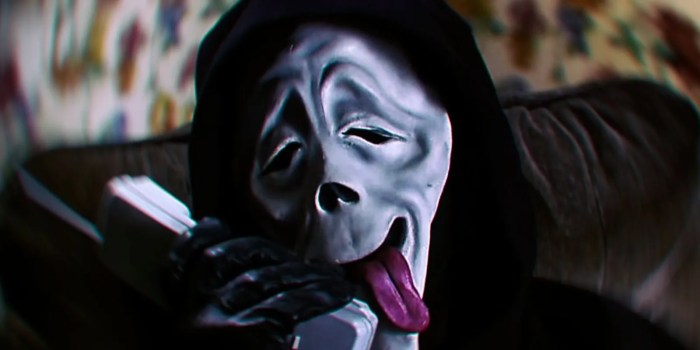
From the silent scream to the CGI-enhanced ghoul, the “finest film scary face” continues to evolve, reflecting developments in expertise and shifting cultural anxieties. The legacy of those terrifying visages extends far past the display screen, influencing artwork, memes, and even our personal unconscious understanding of concern. As we have seen, it isn’t simply in regards to the monster; it is in regards to the craft, the execution, and the enduring energy of a well-executed scare.
The subsequent time you end up hiding behind a blanket, bear in mind the meticulous artistry behind the face that launched a thousand nightmares.
Steadily Requested Questions: Greatest Film Scary Face
What makes a “scary face” efficient?
Effectiveness stems from a mixture of things: the actor’s efficiency, make-up and results, lighting, digital camera angles, and sound design. It is a symphony of parts working in live performance to create a way of unease and terror.
Are sensible results or CGI scarier?
Each have their strengths. Sensible results typically really feel extra visceral and actual, whereas CGI can create not possible and otherworldly horrors. The perfect strategy will depend on the precise story and desired impact.
How do filmmakers use lighting to create concern?
Filmmakers use low-key lighting, deep shadows, and stark contrasts to obscure options, create thriller, and heighten the sense of hazard. Chiaroscuro is a very efficient method.
How does sound contribute to a scary face’s influence?
Sound design amplifies the impact by jarring sound results, unsettling ambient noise, and musical scores that construct pressure and underscore the feelings conveyed by the facial features.
That are among the most iconic “scary faces” in film historical past?
That is subjective, however examples embrace the expressions of the Joker (Heath Ledger), the alien in “Alien,” the creature in “The Babadook,” and Pennywise the clown (Tim Curry and Invoice Skarsgård).
